
Brazil-Argentina Mission brings together innovation ecosystems in bioinputs
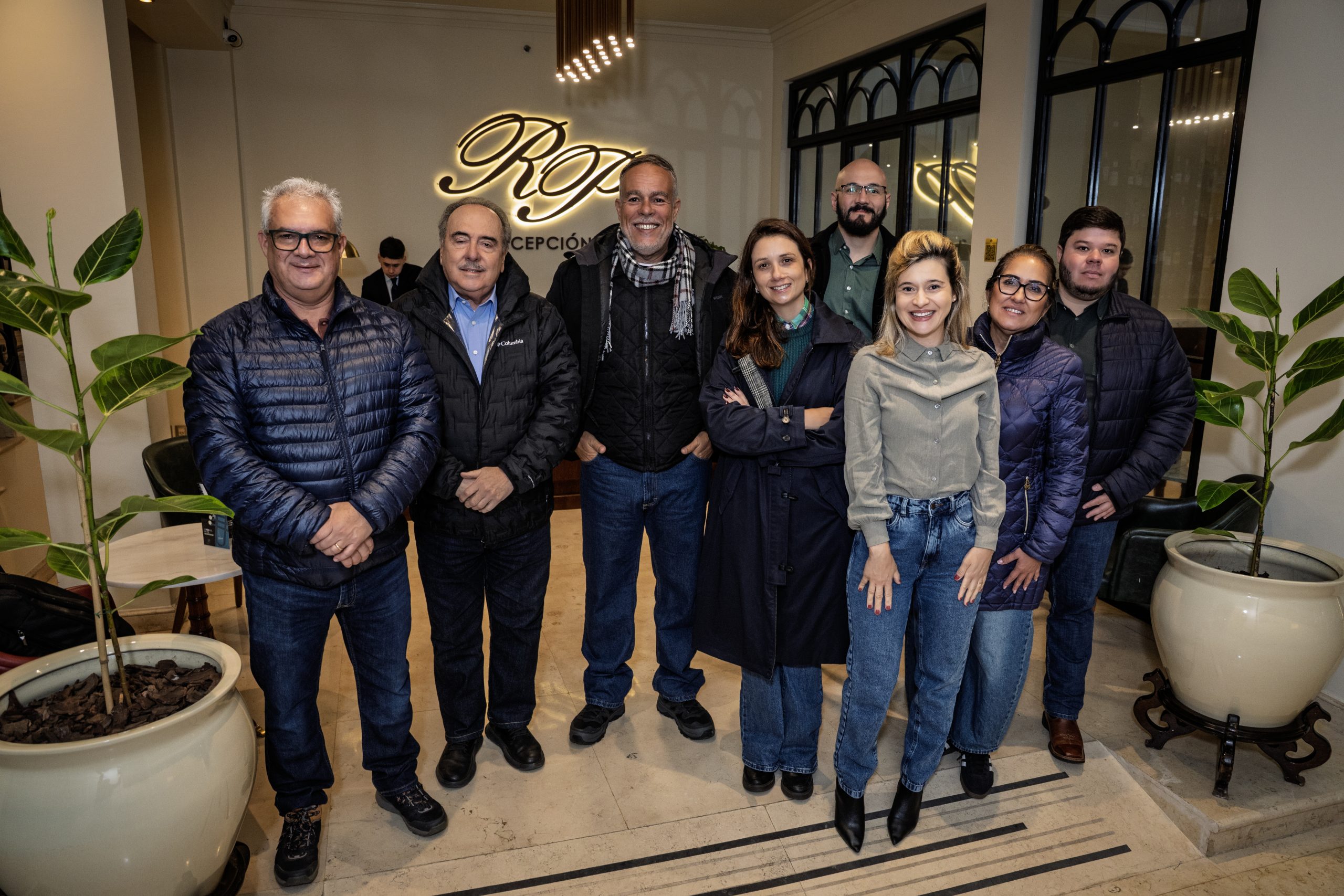
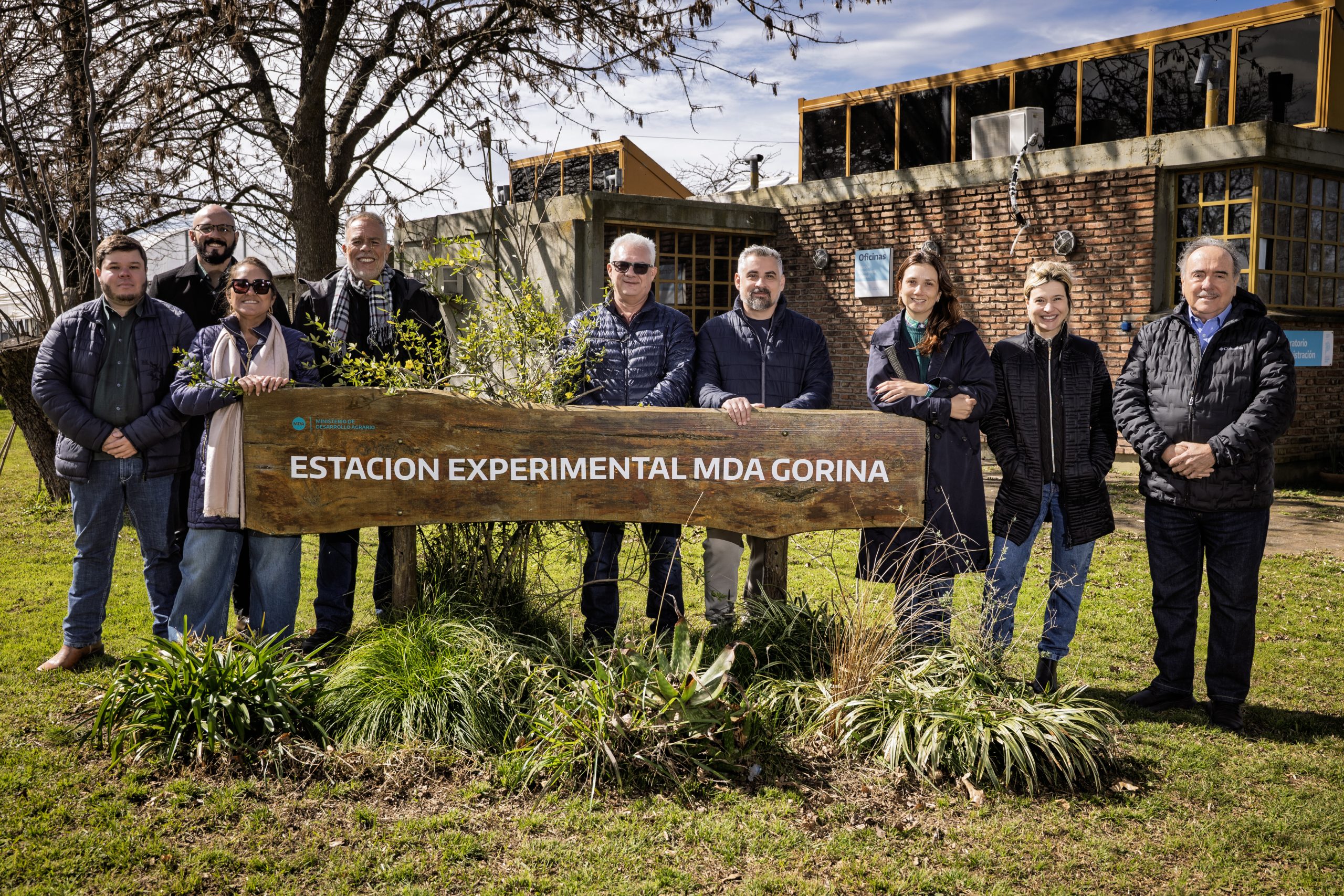
The Brazil-Argentina Mission on Bioinputs advanced on Tuesday (25) with a technical visit to the Gorina Experimental Station, in La Plata, linked to the Ministry of Agrarian Development of the Province of Buenos Aires.[cite: 4] The agenda brought together representatives of Renera – Brazilian Bioinputs Hub, Brazilian businessmen and Argentine partners for an exchange on research, experimentation and use of bioinputs in agriculture.[cite: 4]
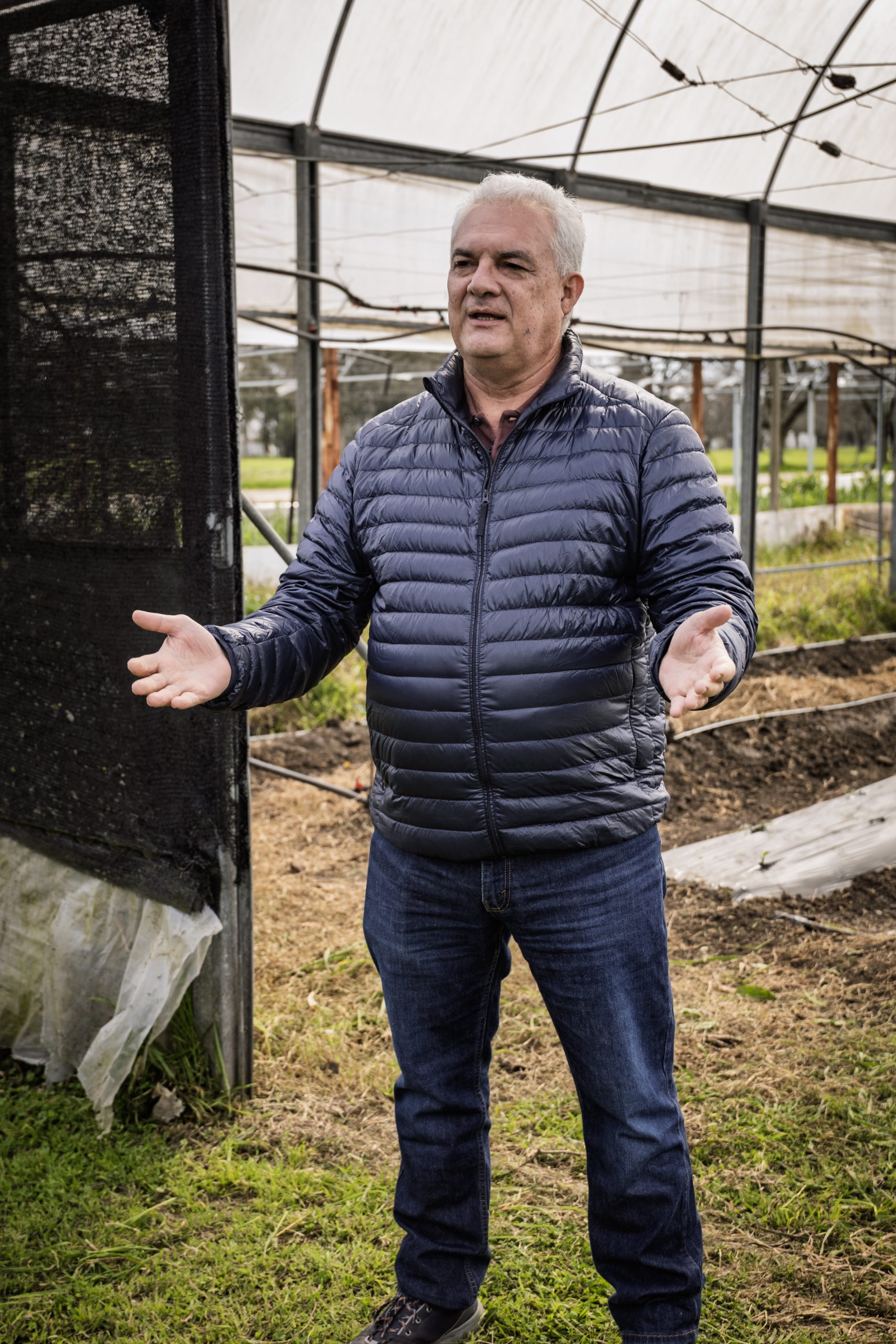
The Gorina Experimental Station develops research and experimentation activities aimed especially at horticultural production, including work related to biological pest control, evaluation of microorganisms and biological products and other alternatives for the sustainable management of crops.[cite: 4]
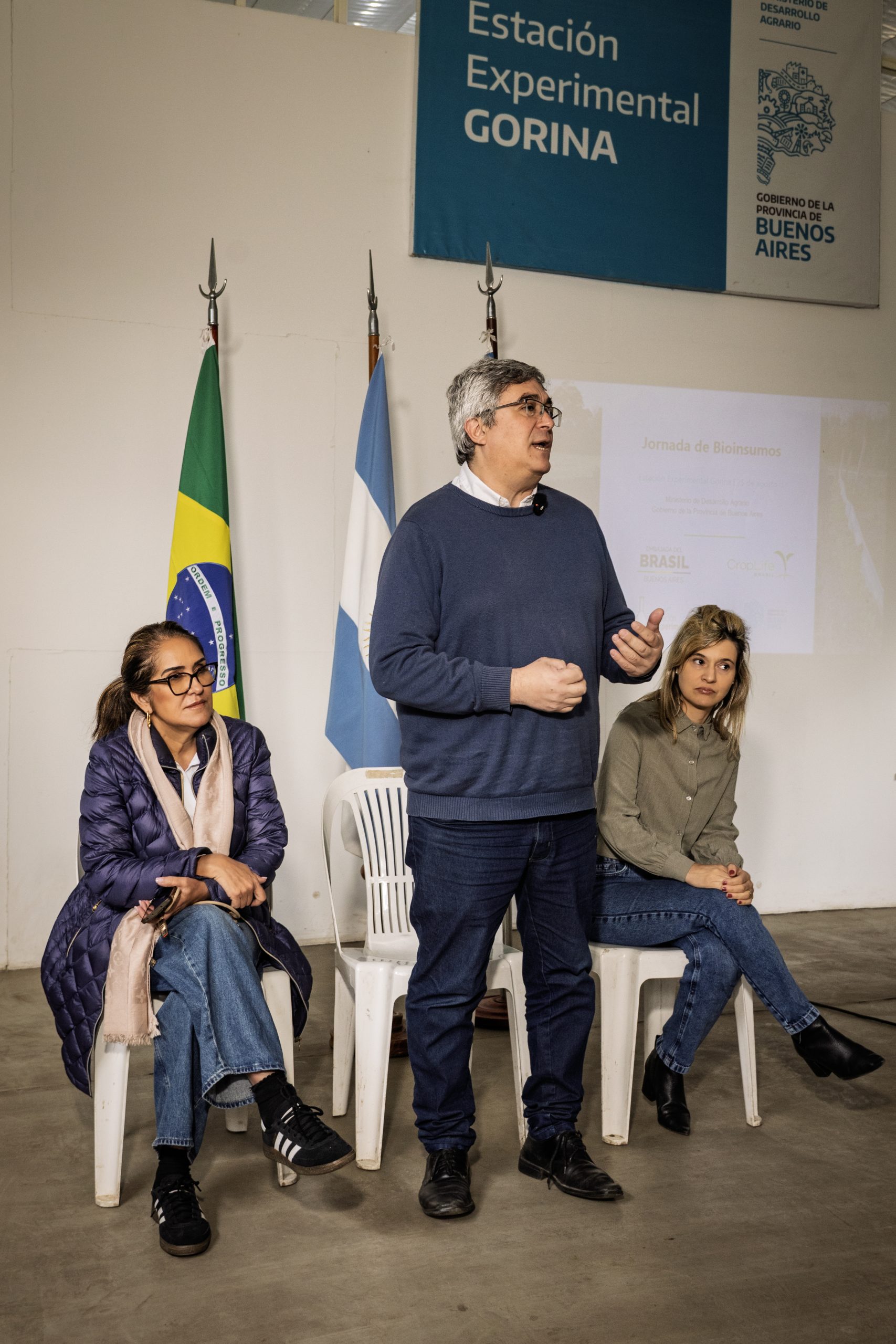
During the visit, the Brazilian delegation learned about experiences of experimentation and evaluation of bioinputs under field conditions and discussed challenges related to the generation of knowledge, validation of technologies and their adoption by producers.[cite: 4]
Brazil and Argentina have very relevant and complementary experiences in the development and adoption of bioinputs.[cite: 4] Bringing our research, regulation, and production ecosystems closer together is essential to accelerate innovation and expand farmers’ access to these technologies,[cite: 4]
— Amália Borsari, director of Bioinputs at CropLife Brazil[cite: 4]
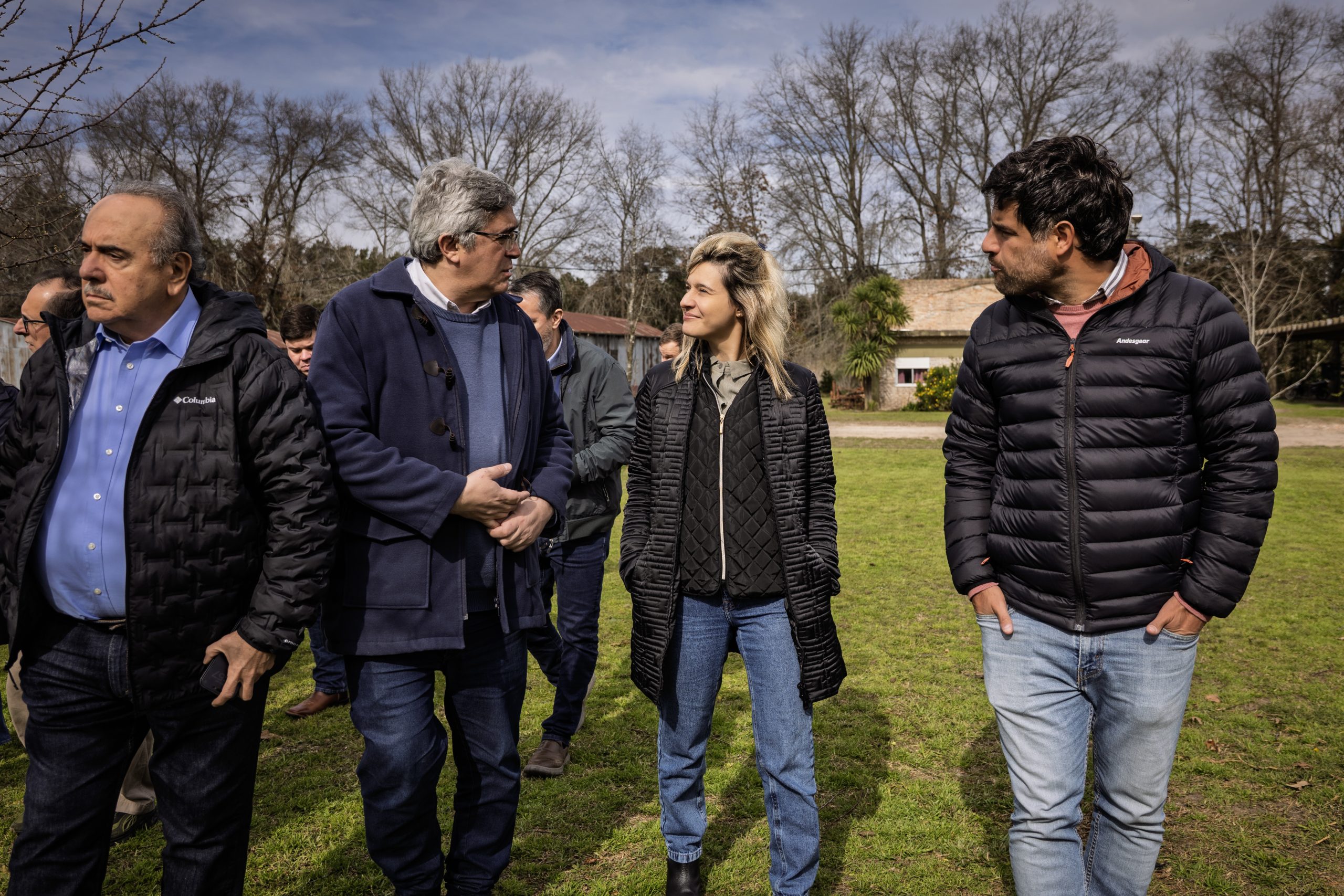
The visit is part of a broader agenda of approximation between the bioinput ecosystems of the two countries.[cite: 4] On Monday (24), the Renera delegation held a series of institutional meetings in Argentina, seeking to identify common challenges and concrete opportunities for cooperation.[cite: 4]
According to Alberto Bicca, from ApexBrasil, the combination of technical dialogue, institutional articulation and trade promotion is one of the differentials of the initiative.[cite: 4]
“Renera shows how trade promotion can go hand in hand with technical and institutional cooperation.[cite: 4] We are presenting to the international market not only companies and products, but the experience that Brazil has been building over decades in bioinputs.”[cite: 4]
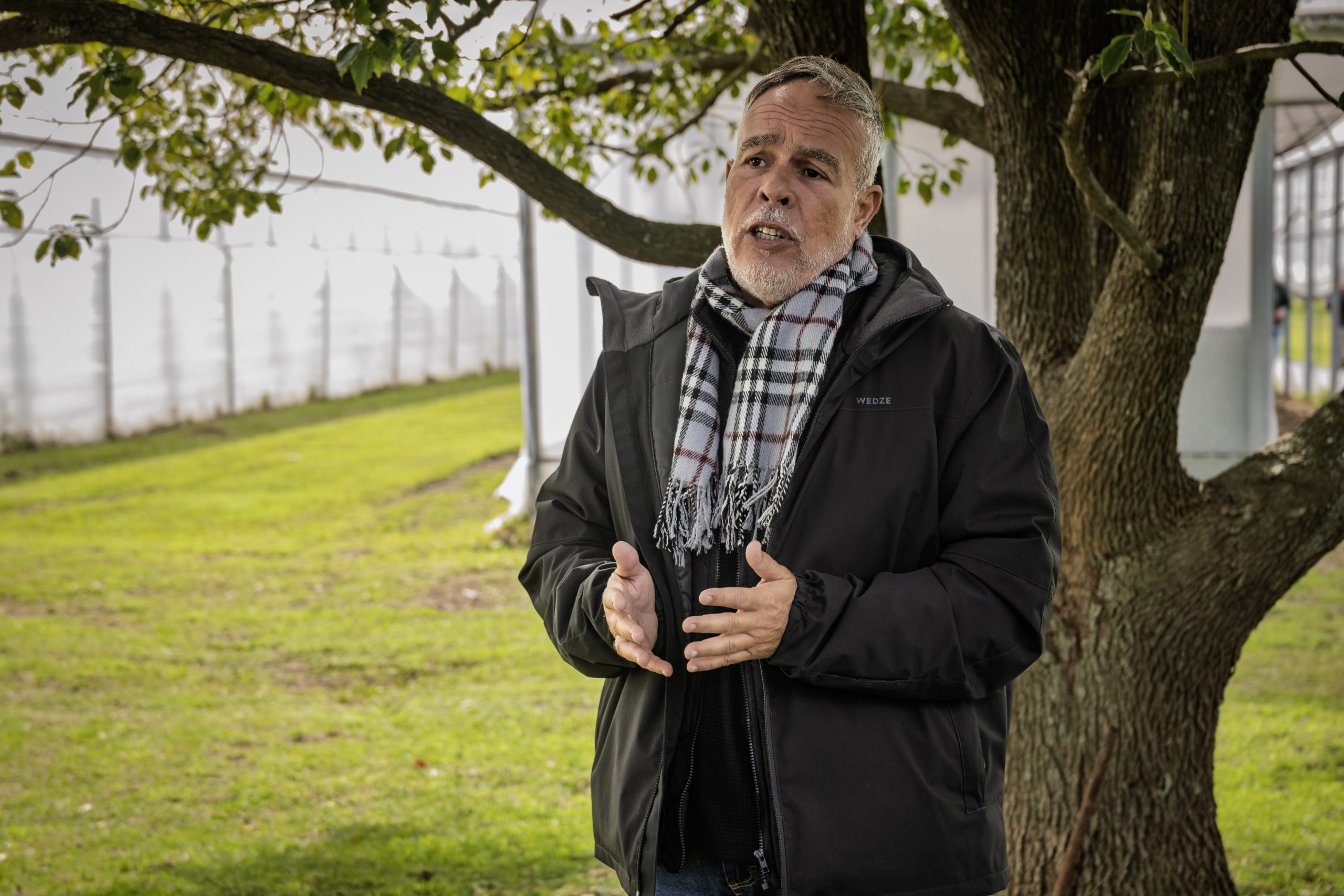
“The mission’s proposal is to connect all ends.[cite: 4] We started with the institutional dialogue, today we came to the field to learn about the Argentine experience and tomorrow we will bring together experts, authorities and companies in the seminar and in the business roundtable.[cite: 4] It is this combination that can transform knowledge exchange into cooperation and new opportunities.”[cite: 4]
— Renata Meliga, manager of the Renera project[cite: 4]

The perspective of Brazilian companies
In addition to the technical and institutional exchange, the visit allowed the participating companies to get to know more closely the characteristics of Argentine production and identify possibilities for collaboration and market development.[cite: 4]
“For a company that works with innovation in bioinputs, knowing the producer’s reality and understanding how these technologies are researched, evaluated and used in other markets is fundamental.[cite: 4] Argentina is a strategic market and this approach allows us to identify partnership opportunities and, at the same time, understand how our solutions can contribute to local challenges,”[cite: 4]
— Mauro Heringer, Director of Institutional and Government Relations, Ekoa[cite: 4]
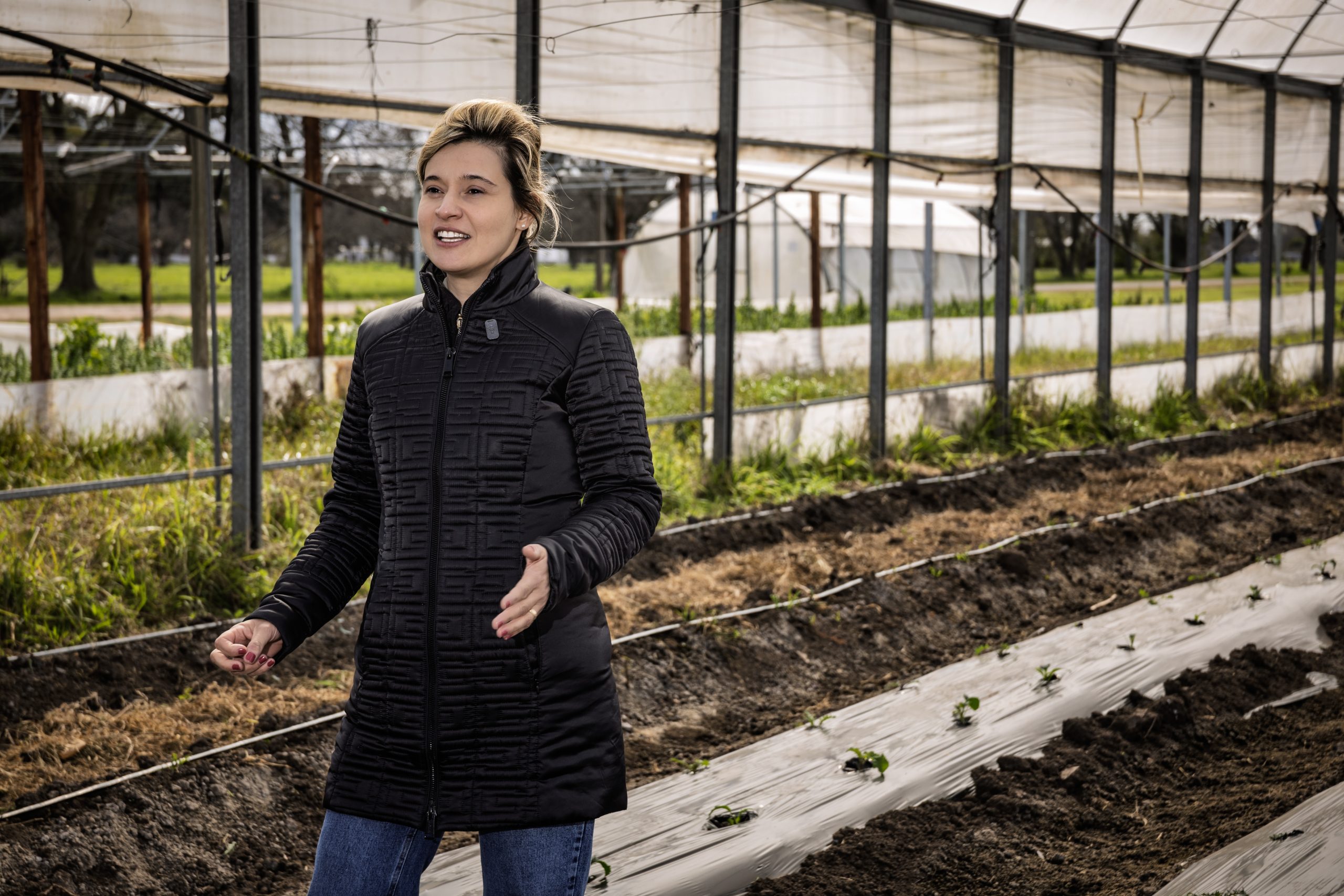
According to the Minister of Agrarian Development of the Province of Buenos Aires, the exchange between the two countries can contribute to accelerating this process.[cite: 4]
“Argentina and Brazil share many of the challenges and opportunities of regional agriculture.[cite: 4] The exchange of experiences in bioinputs and innovation opens space for us to deepen cooperation and develop solutions that respond to the needs of our producers.”[cite: 4]
Next step: technical dialogue and business
The program continues this Wednesday (26), at the Brazilian Embassy in Buenos Aires, with the seminar “Brazil-Argentina Dialogue on Bioinputs”.[cite: 4]
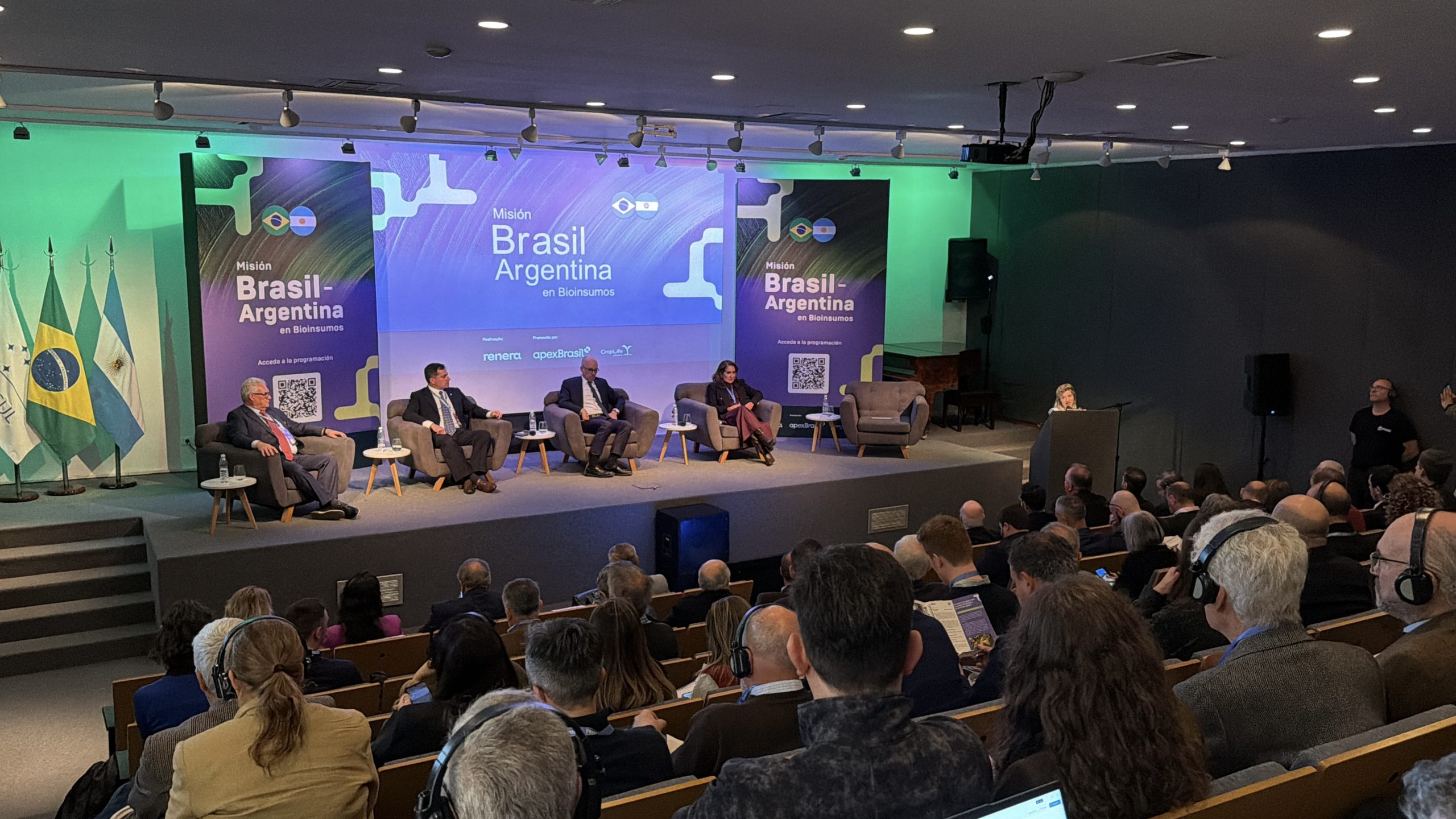
The meeting will bring together representatives of the public and private sectors, experts and institutions from both countries to discuss market, adoption, regulation, innovation and perspectives for expanding bilateral cooperation.[cite: 4]
In the afternoon, the mission advances to its commercial dimension, with a Business Session and business roundtable, bringing the Brazilian companies Ekoa and Koppert closer to potential partners, distributors and representatives in the Argentine market.[cite: 4]
By connecting institutional cooperation, technical knowledge, field experience, and commercial opportunities, the Brazil-Argentina Mission materializes renera’s strategy of expanding the international presence of Brazilian bioinputs and positioning Brazil as a partner for the development of bioinnovation in world agriculture.[cite: 4]
© 2026 CropLife Brasil | Renera – Brazilian Bioinputs Hub




Leave a Reply