
Health Begins in the Field: redefining the drivers of agricultural transformation
By, Alice Toderi, Chief Marketing Officer, Hello Nature
When we think about health, agriculture is rarely the first thing that comes to mind.[cite: 2] We often associate well-being with healthcare systems and lifestyle choices.[cite: 2] Yet the foundation of human health begins much earlier, long before food reaches the plate.[cite: 2] It begins in the field.[cite: 2]
Agriculture produces around 95% of the food consumed worldwide, meaning that the way crops are grown fundamentally shapes the nutritional quality, safety, and sustainability of our food systems.[cite: 2] Increasingly, scientists and policymakers recognize that agriculture is not simply about yield or productivity.[cite: 2] It is a critical determinant of human, environmental, and ecosystem health.[cite: 2]
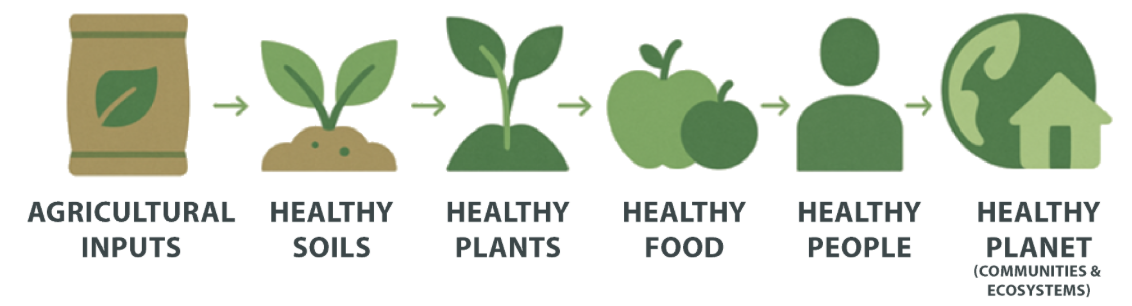
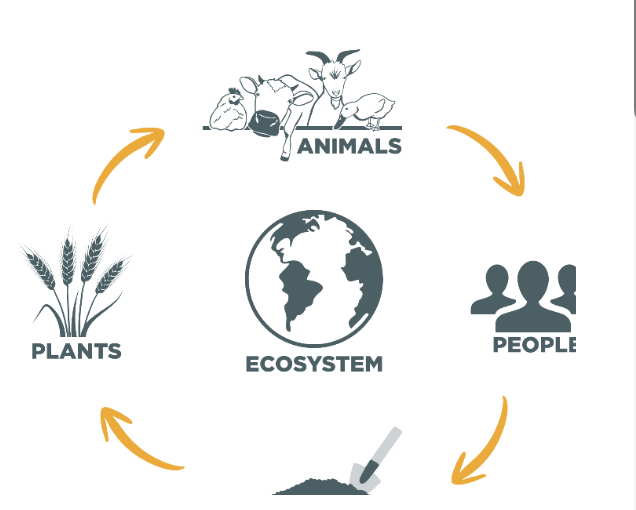
This perspective is reflected in global frameworks such as One Health, Planetary Health, and Circular Health, which emphasize the deep interconnection between the health of humans, animals, plants, soils, and ecosystems.[cite: 2] In this context, agricultural inputs, the products used to nourish plants and support their growth, represent the first link in the health chain.[cite: 2]
The Hidden Link Between Inputs and Health
Every crop begins its life in a complex biological system composed of soil, water, microorganisms, and nutrients.[cite: 2] Agricultural inputs influence this system at multiple levels: soil fertility, plant physiology, microbial biodiversity, nutrient uptake, and resilience to environmental stress.[cite: 2]
These processes may seem distant from human health, but their consequences are direct and measurable.[cite: 2]
The nutritional composition of crops, for example, depends heavily on how plants acquire and metabolize nutrients during growth.[cite: 2] Soil fertility, microbial activity, and nutrient availability determine whether fruits and vegetables contain adequate levels of vitamins, minerals, and beneficial phytochemicals.[cite: 2]
Agricultural practices can also influence food safety.[cite: 2] Excessive fertilization, soil contamination, or poor nutrient management may lead to the accumulation of undesirable compounds such as nitrates or heavy metals in food products.[cite: 2] At the same time, degraded soils and weak plants often require greater chemical intervention, which can increase environmental pressure and reduce ecosystem resilience.[cite: 2]
In contrast, farming systems that promote soil vitality, balanced nutrition, and biological interactions tend to produce crops that are more nutrient-dense, resilient, and environmentally sustainable.[cite: 2]
For this reason, the conversation around health is increasingly shifting upstream from hospitals and diets to agricultural practices and the inputs used in crop production.[cite: 2]
Soil Health: The Foundation of the Food System
At the heart of this connection lies the soil ecosystem.[cite: 2]
Healthy soils are living systems rich in microorganisms such as bacteria, fungi, and mycorrhizae.[cite: 2] These organisms regulate nutrient cycling, organic matter decomposition, and plant root interactions.[cite: 2] They also help plants access nutrients that would otherwise remain unavailable.[cite: 2]
When soil biodiversity declines, due to erosion, excessive chemical inputs, or poor management, nutrient cycling becomes less efficient.[cite: 2] Plants struggle to absorb essential minerals, which can ultimately affect crop productivity and nutritional quality.[cite: 2]
Conversely, restoring biological activity in soils can significantly enhance plant health and nutrient density.[cite: 2] Microbial communities improve root development, increase nutrient availability, and strengthen plants against environmental stress such as drought or salinity.[cite: 2] In this sense, soil health is inseparable from food quality and long-term human well-being.[cite: 2]
Nutrient Density and the Future of Nutrition
Modern food systems face a paradox.[cite: 2] Global agricultural production has increased dramatically over the past decades, yet nutritional deficiencies remain widespread.[cite: 2] Billions of people suffer from “hidden hunger” meaning insufficient intake of key micronutrients such as iron, zinc, and magnesium.[cite: 2]
Part of the solution lies in improving nutrient density at the crop level, a concept known as biofortification.[cite: 2] Rather than relying solely on dietary supplements or fortified foods, biofortification aims to enhance the nutritional composition of crops during their growth.[cite: 2] This requires more precise nutrient management and a deeper understanding of plant metabolism.[cite: 2]
Agricultural inputs that improve nutrient uptake efficiency, support plant resilience, and enhance soil microbial interactions can significantly increase the concentration of essential nutrients in crops.[cite: 2] They can also stimulate the production of beneficial compounds such as antioxidants, proteins, and other components, which contribute to the overall nutritional value of food.[cite: 2] In other words, healthier plants often translate into healthier diets.[cite: 2]
Environmental Health and Food Safety
Agricultural inputs also influence health through their environmental footprint.[cite: 2]
Nutrient losses, nitrate leaching, and greenhouse gas emissions from inefficient fertilization practices can impact water quality, air quality, and ecosystem stability.[cite: 2] These environmental effects eventually feed back into human health, affecting communities through pollution, climate stress, and reduced ecosystem services.[cite: 2]
Improving nutrient-use efficiency is therefore a key objective of sustainable agriculture.[cite: 2] By delivering nutrients more precisely and supporting natural biological processes, modern bio-based inputs can reduce environmental losses while maintaining or improving crop productivity.[cite: 2] This approach not only protects ecosystems but also contributes to cleaner, safer and more resilient food production systems.[cite: 2]
A Bio-Based Approach to Agricultural Inputs
As agriculture moves toward more sustainable models, the role of biologicals and bio-based inputs is gaining importance.[cite: 2]
These technologies are designed to work with natural plant and soil processes rather than replacing them.[cite: 2] Instead of simply supplying nutrients, they stimulate plant responses, enhance microbial activity, and improve the plant’s own capacity to grow and adapt.[cite: 2]
This shift reflects a broader transformation in agronomy: from input-intensive production toward integrated and more sustainable farming systems.[cite: 2]
Several categories of technologies contribute to this transition, including biostimulants, microbial inoculants, biochelated micronutrients, and organic or organo-mineral fertilizers.[cite: 2] Together, they represent strategic tools for improving soil vitality, plant nutrition, environmental sustainability, and ultimately food quality.[cite: 2]
How Bio-Based Technologies from Hello Nature Can Support Health
Within this evolving landscape, Hello Nature is developing integrated solutions designed to strengthen the link between agriculture and health, in every form.[cite: 2]
Hello Nature’s portfolio focuses on bio-based agricultural inputs that operate synergistically across soils, plants, and ecosystems.[cite: 2]
Biostimulants of natural origin
Biostimulants based on vegetal protein hydrolysates and containing bioactive peptides, called Plant Stimulating Peptides, are designed to enhance nutrient assimilation, promote root development, and support plant resilience under environmental stress conditions such as drought or temperature fluctuations.[cite: 2]
From a health perspective, the application of PSP to crops has proven to enhance crop mineral density (Iron, Potassium, Magnesium..) and the content of antioxidant compounds.[cite: 2] PSP also help reduce the accumulation of undesirable compounds, such as nitrates and heavy metals, while supporting hygienic and sanitary crop quality.[cite: 2]
The result is a produce that is not only more resilient during cultivation but also more nutritious and safer for consumers.[cite: 2]
Biochelates:
Micronutrients such as iron, zinc, and manganese are essential both for plant growth and human nutrition.[cite: 2] However, these elements are often poorly available in soil, leading to deficiencies that can affect both crop performance and food nutritional value.[cite: 2]
Biochelation technologies, recently launched by Hello Nature, use plant-derived peptides to chelate and deliver micronutrients efficiently to plants.[cite: 2] This process improves nutrient stability and absorption, reducing losses in the environment while enhancing plant uptake.[cite: 2]
The benefits extend beyond agronomic performance.[cite: 2] Better micronutrient availability support biofortification of crops, increasing their nutritional value while also contributing to improved shelf life and food quality.[cite: 2] At the same time, biochelates help reduce the uptake of undesirable elements such as heavy metals and they overall contribute to reduce pollution thanks to their lower environmental footprint compared to synthetic chelates.[cite: 2]
Bio-Activated microbials:
Soil microorganisms play a central role in plant health and nutrient cycling.[cite: 2]
Technologies based on bio-activated microbials, including mycorrhizal fungi, Trichoderma, and beneficial bacteria help restore biological activity in soils and strengthen root–soil interactions.[cite: 2]
These microorganisms enhance nutrient solubilization, improve root access to water and minerals, and contribute to the overall resilience of the soil ecosystem.[cite: 2]
Health benefits emerge through multiple pathways: stronger soil ecosystems, more balanced plant nutrition, protection of biodiversity, and improved long-term food quality.[cite: 2] By rebuilding the biological foundation of agriculture, microbial technologies contribute to more resilient and sustainable food production systems.[cite: 2]
Bio-Based Fertilizers:
Finally, organic and organo-mineral fertilizers derived from natural sources help improve nutrient-use efficiency while reducing reliance on purely synthetic fertilizers.[cite: 2]
These solutions improve soil fertility and soil structure, and support microbial activity.[cite: 2] As a result, they can reduce nutrient losses, greenhouse gas emissions, and environmental contamination.[cite: 2]
Lower pollution, improved carbon retention in soils, and healthier ecosystems all contribute to broader community health outcomes.[cite: 2]
From Fields to Health: A Systemic Vision
Hello Nature has positioned itself at the forefront of a new vision for agriculture one where health begins in the field.[cite: 2] By developing bio-based technologies that enhance soil vitality, plant nutrition, animal and human well-being and ecosystem resilience, the company demonstrates that agricultural inputs are not just tools for yield they are catalysts for health.[cite: 2]
As a pioneer in positioning agricultural inputs as the first link in the health chain, Hello Nature has made this commitment clear from the start.[cite: 2] This vision is encapsulated in the company’s guiding slogan: “Say Hi to a Healthier Life.” It reflects a simple but powerful truth: by starting with the right agricultural inputs, we can foster healthier soils, stronger plants, safer food, and ultimately, healthier animals, people, communities and ecosystems.[cite: 2]

© 2026 Hello Nature | Agricultural Transformation & Health Insights




Leave a Reply