
A Strong Protection Against Soil-Borne Diseases in Lettuce with Trianum
How Growers Are Reducing Chemical Inputs and Securing Yields with Koppert’s Bio-Fungicide
In intensive lettuce production, root diseases such as Fusarium wilt, lettuce drop (Sclerotinia spp.), Pythium root rot, and bottom rot can severely impact crop quality and productivity. Because short crop cycles and high cropping frequency cause disease pressure to build up rapidly, effective protection is vital.
The bio-fungicide Trianum has emerged as a highly effective solution for protecting lettuce against damping-off and soil-borne pathogens while simultaneously improving crop uniformity and growth.
Real-World Success: Italian Lettuce Growers
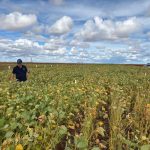
Italian producers Stelio Porrini and Fabrizio Cimarrosti, based in Guidizzolo, Northern Italy, manage 400 hectares of open field and tunnel-grown leafy vegetables. Facing severe pressure from Fusarium oxysporum during summer transplants, they integrated Trianum into their strategy to control pathogens without chemical fungicides.
“Thanks to Trianum, I am now able to control Fusarium and Sclerotinia at the same time, with no need for a chemical fungicide,”
— Fabrizio Cimarrosti
Flexible Formulations for Different Systems
To accommodate various cultivation methods, Trianum is available in two distinct formulations:
- Trianum-G: A granular formulation ideal for open-field microgranulator application during spring and summer planting, ensuring direct root contact.
- Trianum-P: A wettable granule formulation designed for winter tunnel production, applied easily via irrigation systems or spray booms right after transplanting.
Proven Trial Performance
Extensive trials conducted across Germany and Italy have consistently demonstrated Trianum’s strong disease control against Sclerotinia, even under high disease pressure. Beyond reducing disease incidence, these trials showed statistically significant increases in total harvestable yield.
© 2026 BioAg World Digest | Koppert Trianum Case Study



Leave a Reply